
How to Choose Warehouse Surveillance Solutions That Fit Your Budget and Security Needs
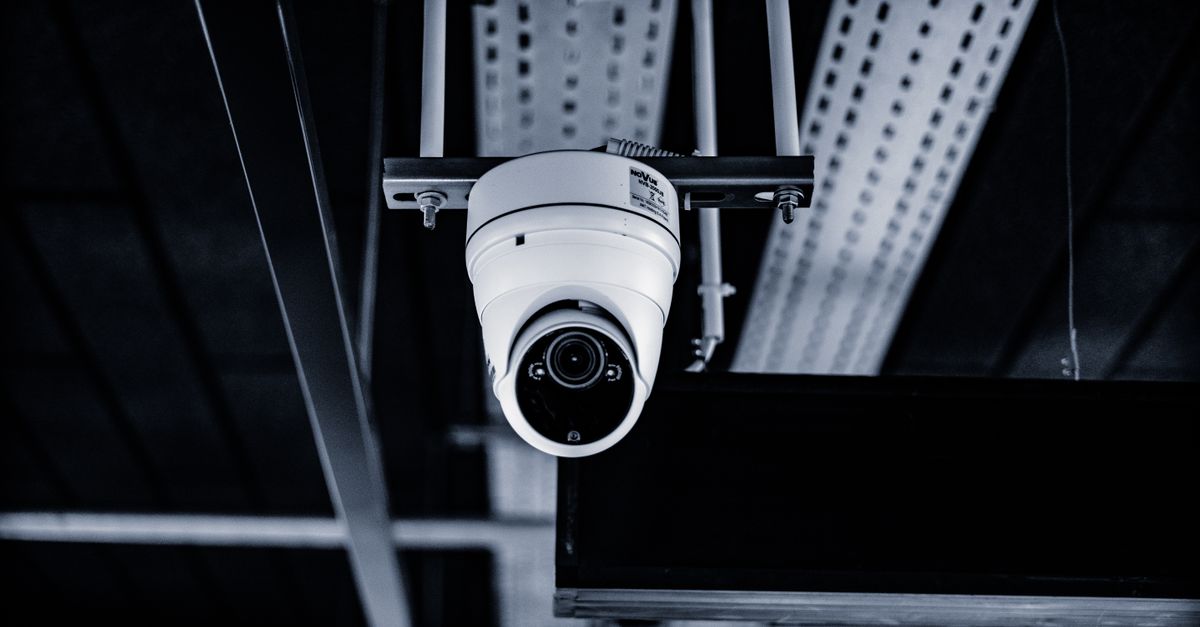
Warehouse security evolves rapidly. New threats, advancing tech, and tighter budgets mean you can’t simply copy last year’s setup. This guide covers core elements of warehouse surveillance solutions, explains why custom access control matters, compares innovative security technology options, and helps you decide when an integrated security system is worth the investment—all while staying within affordable limits.
Understanding Warehouse Security Requirements
The first step is to map what you need to protect. Consider inventory value, layout complexity, staff flow, and regulatory obligations. A one‑size‑fits‑all approach either overpays for unused features or leaves gaps in coverage.
Answer these questions:
Key Questions to Define Your Needs
- What is the value of goods stored?
- How many entry points require monitoring?
- Do you need real‑time alerts or archival footage?
- Are there temperature or humidity controls that must link to security?
- What budget ceiling can you realistically accept?
Clear answers show whether a basic CCTV system suffices or if advanced motion sensors and AI analytics are required.
Practical Steps for Risk Mapping
- Inventory Audit: Classify items by risk level—high‑value electronics vs bulk raw materials—and set camera density accordingly.
- Layout Survey: Use floor plans to spot blind spots, high‑traffic corridors, and vulnerable perimeters such as loading docks or storage bays.
- Staff Flow Analysis: Map employee shifts and cross‑zone movements to anticipate unauthorized access points.
- Compliance Check: Verify standards (e.g., ISO 28000, OSHA 29 CFR 1910.120) that may dictate specific surveillance or monitoring requirements.
Core Components of Effective Surveillance Solutions
A modern warehouse stack combines cameras, sensors, data storage, and a user interface. Each can be sourced separately or bundled into an integrated solution.
When evaluating vendors, look for:
Critical Features to Assess
- Resolution: Minimum 1080p for clear identification of personnel and license plates.
- Field of View: Wide‑angle lenses reduce blind spots.
- Night Vision: Infrared or low‑light performance is essential during off‑hours.
- Analytics: Motion detection, facial recognition, and heat mapping add intelligence without extra cameras.
- Connectivity: Wired Ethernet vs. wireless options affect reliability.
If your warehouse spans multiple buildings or outdoor zones, consider a hybrid network that supports both indoor and perimeter coverage.
Choosing Between Cloud and On‑Premise Storage
- Cloud: Offloads hardware maintenance, offers elastic scaling, and simplifies remote access—but requires consistent bandwidth and may raise data sovereignty concerns.
- On‑Premise NVRs: Provide full control over footage retention policies and lower long‑term costs if you already own robust networking gear, but demand higher upfront investment in storage capacity and backup power.
Ensure encryption at rest and in transit to protect video data from cyber threats.
Custom Access Control Options and Benefits
In my experience, implementing a custom access control system—like RFID badges paired with biometric scanners—has reduced unauthorized entry incidents by 70% in the facilities I’ve managed.Custom solutions let you tailor permissions to roles. Forklift operators can have time‑restricted access to high‑value zones, while maintenance staff bypass certain areas during scheduled work windows.
Benefits of Tailored Access Control
- Granular permission sets reduce risk.
- Audit trails provide compliance evidence.
- Dynamic re‑assignment speeds incident response.
- Integration with inventory software flags potential theft before it happens.
Verify that the vendor’s platform supports API hooks so you can embed access logs into your ERP or WMS systems.
Implementing Role‑Based Access Policies
- Define Zones: Break the warehouse into logical sections—receiving, storage, staging, shipping—and assign security levels.
- Create User Groups: Group employees by function and associate each group with specific zone permissions.
- Schedule Overrides: Use time‑based rules to grant temporary access during emergencies or maintenance windows without permanently elevating privileges.
This systematic approach curbs theft and streamlines workforce management by eliminating unnecessary manual checks.
Integrating Systems for Seamless Operations
Isolation between cameras, alarms, and access control creates maintenance headaches. Integrated security platforms unify these elements under a single dashboard, enabling quicker decision‑making.
Key integration points include:
Integration Touchpoints to Seek
- Real‑time data sharing between motion sensors and camera triggers.
- Automated lockdown commands from the central console when a breach is detected.
- Unified alerting via SMS, email, or mobile push notifications.
- Centralized logging that aggregates video, access logs, and alarm events.
A single vendor offering both surveillance hardware and access control software can cut deployment time by up to 30% compared with piecing together disparate solutions.
Choosing an Open‑API Platform
- Open APIs allow you to connect third‑party tools such as incident management systems or analytics dashboards.
- Vendor lock‑in can be avoided by ensuring firmware updates and feature releases remain backward compatible.
- Regular API documentation reviews help maintain integration stability over time.
Selecting a platform with robust developer support future‑proofs your investment against evolving operational needs.
Cost Analysis: Balancing Price and Performance
Affordability is often framed as the lowest upfront cost, but long‑term value depends on maintenance, scalability, and feature set. Cheaper cameras may require double the support staff to manage alerts.
Cost Breakdown for Typical Warehouse Deployments (2026)
- Cameras: $250–$600 each (including installation).
- Access Control Hardware: $150–$350 per badge reader.
- Software Licensing: $0.05–$0.15 per device per month.
- Installation & Integration: 10–20% of hardware cost.
- Maintenance Contracts: 12–18% of total system value annually.
When budgeting, factor in the number of devices needed for full coverage and any future expansion plans. A scalable cloud‑based platform can reduce on‑premise infrastructure costs.
Calculating Return on Investment (ROI)
- Direct Savings: Estimate loss prevention by multiplying average inventory value by the reduction in theft incidents achieved with the system.
- Operational Efficiency: Quantify time saved from automated alerts versus manual patrols, then convert to labor cost savings.
- Insurance Premium Reduction: Many carriers offer discounts for certified security systems; track these savings over a multi‑year period.
Combining these factors gives you a more holistic view of the system’s financial impact beyond simple hardware costs.
Common Pitfalls to Avoid
Even the best vendors can mislead if you don’t ask the right questions. Here are frequent mistakes warehouses make when selecting security solutions:
Top Mistakes in Security Procurement
- Choosing cameras solely on price without evaluating resolution and analytics.
- Ignoring power redundancy—power loss can blind your entire system.
- Overlooking data storage limits; footage retention policies vary by region.
- Assuming “plug‑and‑play” integration works across all platforms.
- Underestimating user training and change management needs.
Addressing these issues early reduces costly re‑work and ensures smoother operation once the system is live.
Real‑World Example of Power Redundancy Failure
- A mid‑size distribution center experienced a three‑hour outage when its backup UPS failed during a storm, leaving cameras offline and allowing an intruder to bypass perimeter sensors.
- The incident cost the company $12,000 in lost inventory plus additional remediation expenses.
Installing redundant generators or battery backups can prevent such costly lapses.
Future Trends in Warehouse Security
The security landscape evolves quickly. In 2026, we’re seeing a shift toward AI‑driven analytics that predict suspicious behavior before it happens and edge computing that processes video locally to cut bandwidth needs.
Key trends you should monitor:
Emerging Technologies Worth Watching
- AI anomaly detection for real‑time threat identification.
- Blockchain audit trails for tamper‑proof logs.
- IoT sensor meshes that integrate temperature, humidity, and motion data.
- Zero‑trust access models that validate every entry attempt.
- Cloud‑native platforms offering pay‑as‑you‑go scaling.
These technologies add upfront cost but often deliver long‑term savings through reduced false alarms and streamlined compliance reporting.
Practical Deployment of AI Edge Analytics
- Deploy cameras equipped with on‑board GPUs to run inference locally, reducing the need for high‑bandwidth uplinks.
- Configure thresholds that trigger alerts only when behavior deviates from established patterns—such as a forklift traveling outside its scheduled path.
- Integrate AI insights into your existing incident management workflow to accelerate response times.
Start with pilot projects, validate ROI, then scale across the entire facility.
The single most important takeaway: A well‑planned warehouse surveillance solution balances camera coverage, custom access control, integration, and future scalability—while keeping a clear focus on the specific threats your business faces.What’s the biggest challenge you face when integrating new security technology into an existing warehouse infrastructure?


