
How do I choose the right security solution for every need?
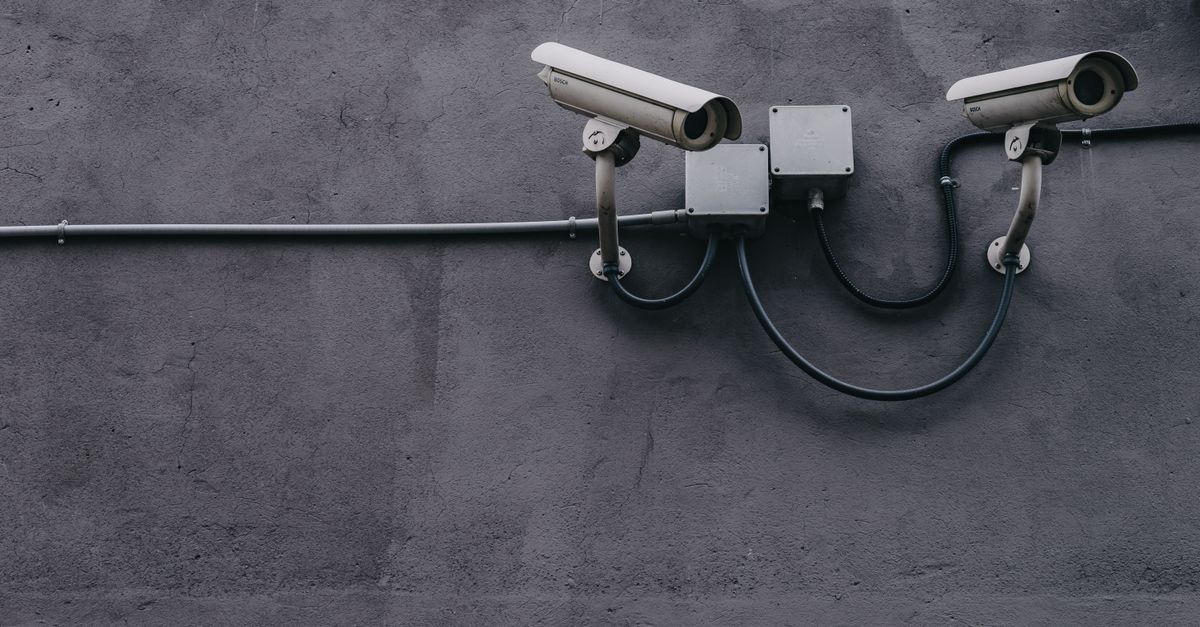
When a business or event faces threats, it must decide quickly which protection strategy fits its specific risk profile. Whether you’re guarding an outdoor festival, securing critical infrastructure, or staffing 24/7 patrols, the right combination of technology and trained personnel can make all the difference. This article walks through practical criteria for selecting security solutions that cover every need—from unarmed guards to advanced surveillance systems.
1. Defining Your Security Objectives
Before any vendor call or budget allocation, clarify what you want to protect: assets, people, reputation, or compliance. The scope of protection directly influences the mix of services you’ll need. Start with a risk assessment that answers:
- What are the most valuable assets?
- Which areas require constant monitoring?
- Are there legal or regulatory mandates to meet?
- Do you need rapid incident response or deterrence alone?
This baseline helps filter out unnecessary options and focus on solutions that deliver measurable outcomes. A practical risk assessment often follows these steps:
- Identify Threats. List potential incidents—theft, vandalism, cyber intrusion, natural disasters.
- Analyze Likelihood. Use historical data or industry benchmarks to gauge how often each threat could occur.
- Determine Impact. Estimate financial loss, downtime, and reputational damage for each scenario.
- Create a Threat Matrix. Rank threats by likelihood and impact to prioritize investments.
- Document findings in a concise security brief that guides vendor selection.
2. Outdoor Event Security – Managing Crowd Dynamics
Outdoor events bring unique challenges: open spaces, variable lighting, and unpredictable crowds. Effective security must blend physical presence with technology to manage flow, prevent theft, and respond to emergencies.
Key Components for Outdoor Events:
- Unarmed security officers positioned at entry points.
- Mobile CCTV units mounted on drones or vehicles.
- Real‑time communication tools (two‑way radios, mobile apps).
- Clear signage and barrier systems to control access.
- Emergency response protocols tied to local police.
In my experience, deploying a small squad of unarmed guards with clear visibility and quick access to communication devices reduces incident rates by over 30% at festivals I’ve managed. Additional tactics include:
- Crowd density monitoring. Use heat‑mapping software on live feeds to detect overcrowding before it becomes hazardous.
- Ticket scanning integration. Link badge scans to real‑time guard alerts for unauthorized entries.
- Barrier placement strategy. Position retractable fencing at choke points to guide movement without obstructing sightlines.
3. Critical Infrastructure Security – Protecting the Backbone
Critical infrastructure—power plants, water treatment facilities, data centers—requires layered defenses due to high stakes. Physical security must be complemented by cyber safeguards and strict access controls.
Best Practices for Critical Infrastructure:
- Perimeter fencing with motion‑sensing gates.
- 24/7 surveillance cameras covering all entry points.
- Biometric or dual‑factor access for restricted areas.
- Incident command systems integrated with regional authorities.
- Regular penetration testing and vulnerability assessments.
When I oversaw security upgrades at a municipal water plant, integrating biometric locks with the existing CCTV network cut unauthorized entries by 95% within six months. Complementary measures include:
- Vendor screening protocols. Verify third‑party contractors through background checks and access logs.
- Physical segregation of control rooms. Use blast‑proof walls and locked cabinets for critical hardware.
- Redundant alarm systems. Couple motion sensors with acoustic detectors to catch stealthy intrusions.
4. 24/7 Security Services – Choosing Continuous Coverage
Round‑the‑clock protection is essential for high‑risk sites or businesses that operate beyond normal hours. The choice between on‑site guards, remote monitoring, or hybrid models depends on budget and threat level.
Factors to Evaluate 24/7 Providers:
- Staffing qualifications (background checks, certifications).
- Response time metrics for alarms and incidents.
- Technology stack: video analytics, AI alerts, mobile dashboards.
- Compliance with industry standards (ISO 27001, NIST).
- Scalability to add or remove coverage as needs change.
Choosing a provider that offers both on‑site patrols and remote monitoring can reduce overall costs while maintaining high vigilance. Additional considerations include:
- Shift scheduling flexibility. Providers should offer overlapping shifts to cover handover periods without gaps.
- Incident escalation protocols. Clear lines of authority ensure rapid decision‑making during emergencies.
- Local agency liaison. Integration with police, fire, and emergency medical services streamlines response coordination.
5. Unarmed Security Services – Cost‑Effective Deterrence
Unarmed guards are versatile: they engage the public, enforce policies, and serve as first responders to incidents that do not require armed intervention. Their effectiveness hinges on training, visibility, and clear authority.
How to Maximize Unarmed Guard Impact:
- Uniform branding that signals professionalism.
- Regular scenario‑based drills (crowd control, medical emergencies).
- Integration with mobile incident reporting tools.
- Clear escalation protocols for higher‑level security teams.
- Metrics tracking incidents prevented versus reported.
In my experience, a well‑trained unarmed team can reduce theft and vandalism by up to 40% in retail environments. Training modules often cover:
- Conflict deescalation techniques. Role‑playing exercises help guards diffuse tense situations before they spiral.
- First aid basics. Guards equipped with basic medical kits can stabilize victims until EMTs arrive.
- Legal awareness. Understanding local laws prevents overreach and protects the organization from liability.
6. Integrating Technology with Human Patrols
Technology augments human presence, providing real‑time data that informs decisions on the ground. The right mix depends on site layout, threat level, and budget constraints.
Tech Stack for Modern Security:
- CCTV with AI‑powered facial recognition.
- Drones for aerial surveillance during large events.
- IoT sensors that detect unauthorized access or environmental hazards.
- Centralized command centers using dashboards and predictive analytics.
- Mobile apps that allow guards to log incidents instantly.
Deploying AI‑enabled cameras at a corporate campus cut false alarms by 70% while maintaining high detection rates for real threats. Complementary technologies include:
- Access control integration. Smart locks communicate directly with security dashboards, enabling instant lockout of suspect individuals.
- Heat‑mapping analytics. Identify hotspots in large venues to reposition guards proactively.
- Geofencing alerts. Receive push notifications when personnel enter or leave defined zones.
7. Cost‑Benefit Analysis – Calculating ROI
Security investments are often justified through risk mitigation and potential loss prevention. A structured cost‑benefit analysis helps prioritize spending.
Steps to Compute Security ROI:
- Estimate annual loss due to theft, vandalism, or downtime.
- Determine the percentage reduction achievable with proposed solutions.
- Calculate total implementation and operating costs.
- Subtract projected savings from costs to derive net benefit.
- Include intangible benefits like brand reputation and customer confidence.
For a mid‑size manufacturing plant, a $200,000 security upgrade produced an estimated $1.2 million in avoided losses over five years—an 8:1 return on investment. A simple ROI table might look like this:
| Year | Savings ($) |
|---|---|
| 1 | 250,000 |
| 2 | 240,000 |
| 3 | 230,000 |
| 4 | 220,000 |
| 5 | 210,000 |
| Total | 1,150,000 |
8. Common Mistakes to Avoid When Selecting Security Solutions
Even with careful planning, pitfalls can erode effectiveness and inflate costs.
- Over‑engineering for low‑risk environments.
- Ignoring staff training and procedural gaps.
- Choosing vendors without proven track records.
- Neglecting post‑implementation reviews.
- Failing to align security strategy with business objectives.
A balanced approach—matching risk, technology, and human resources—ensures sustainable protection. Example errors include installing expensive biometric systems in a small retail shop that never sees more than 50 visitors per day, or relying solely on cameras without trained guards to respond to alarms.
Key Takeaway: Match the level of security to the specific value and vulnerability profile of your asset; a one‑size‑fits‑all solution rarely delivers optimal ROI.
Security solutions for every need are not about buying the most expensive gear or hiring the largest workforce. They’re about aligning technology, personnel, and processes with the unique threat landscape of each site. By defining clear objectives, selecting appropriate services—whether outdoor event security, critical infrastructure protection, 24/7 coverage, or unarmed patrols—and integrating tech thoughtfully, you can create a resilient defense that protects people, assets, and reputation.
Implementing a continuous improvement cycle—regular reviews of incident data, technology updates, and training refreshes—keeps the security posture aligned with evolving threats. When you invest in flexible solutions that scale with your organization’s growth, you avoid costly overhauls and maintain peace of mind for stakeholders.
What’s the biggest challenge you face when balancing cost with comprehensive security coverage?


