
How Do I Choose the Right Incident Reporting and Security Services for My Events?
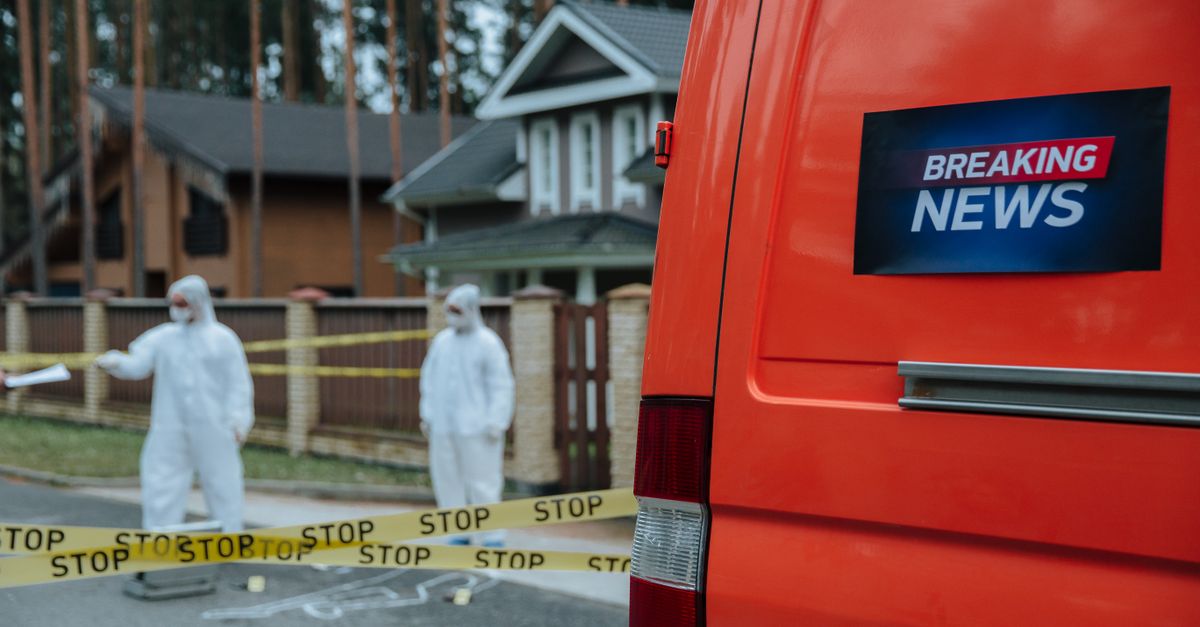
When a venue or company plans an event—whether a corporate gala, product launch, or community festival—the security strategy often feels like a moving target. I’ve spent years building apps that log incidents and designing systems that keep people safe. In this FAQ I’ll walk through the core components of incident reporting services, the nuances of Security for VIP events, how to set up Temporary event security, integrate 24/7 security services into Facility security management, and common mistakes that can derail even the best plans.
In today’s landscape, threats are no longer limited to physical intrusions; cyber‑attacks on event registration systems, misinformation campaigns targeting attendee behavior, and environmental hazards such as sudden weather changes all require a layered response. A robust incident reporting framework is therefore essential not just for compliance, but for real‑time decision making that protects both guests and the reputation of the host.
1. What Is Incident Reporting Services and Why Do I Need It?
Incident reporting services are structured processes that capture, analyze, and respond to safety or security events in real time. They typically include mobile apps, data dashboards, automated alerts, and post‑incident reviews.
- Real‑time visibility: Immediate notification of any breach or accident.
- Data integrity: Secure logging that meets regulatory standards.
- Actionable insights: Trend analysis to prevent repeat incidents.
- Compliance support: Documentation for OSHA, local laws, and insurance.
When a security breach happens during a VIP event or a temporary setup, the ability to log and respond quickly can mean the difference between a smooth resolution and a public relations nightmare. I’ve seen venues that rely on paper logs miss critical details; they then struggle with liability claims because there’s no verifiable chain of events.
Beyond basic logging, modern incident reporting systems allow you to categorize events—medical emergencies, property damage, unauthorized access—and assign severity levels that automatically trigger predefined response protocols. For example, a fire alarm in an exhibition hall can immediately route alerts to the on‑site safety officer, local firefighters, and venue management, all while capturing timestamped video footage for later review.
2. How Do I Evaluate Security for VIP Events?
VIP security demands layered protection, from perimeter control to personal bodyguards. The goal is to safeguard high‑profile guests without making them feel like they’re in a hostage situation.
- Risk assessment: Identify threats based on guest profile and event context.
- Perimeter hardening: Fencing, controlled access points, and vehicle screening.
- Personal protection teams: Trained bodyguards with discretion protocols.
- Technology integration: Surveillance cameras, RFID badges, and incident reporting apps.
I’ve coordinated security for tech founders at product launches. The trick is to pair high‑visibility deterrents—like visible guards and clear signage—with low‑profile surveillance that respects privacy. A common mistake is over‑staffing a single point of entry; spreading resources across multiple checkpoints often yields better coverage.
Additionally, establishing a dedicated communication channel between the VIP’s personal team and the event security command center ensures rapid escalation if an unexpected threat emerges. This coordination should be rehearsed in advance through tabletop drills that simulate scenarios ranging from a disgruntled attendee to a coordinated breach attempt by multiple intruders.
3. What Should I Include in Temporary Event Security Planning?
Temporary event security refers to the measures deployed for one‑off or short‑term gatherings—concerts, festivals, pop‑ups. Unlike permanent facilities, temporary setups lack established infrastructure, so planning must be proactive.
- Site survey: Map entry/exit points, crowd flow, and emergency exits.
- Staffing model: Ratio of security personnel to expected attendees (usually 1:200 for general events).
- Equipment list: Portable barriers, communication radios, first‑aid kits.
- Incident response plan: Clear escalation paths from on‑scene guards to local law enforcement.
I once managed a pop‑up in downtown Vegas. We underestimated the crowd size and had only half the needed guards. The result was delayed incident reporting, which forced us to rely on a third‑party app that lagged by minutes. In my experience, over‑investing in real‑time communication tools pays off because they keep everyone aligned during chaos.
Another critical element is vendor vetting—ensuring that all temporary security staff are licensed, bonded, and have undergone background checks. When coordinating with local police departments for large festivals, it’s essential to secure event permits early and share detailed crowd‑management plans so that law enforcement can allocate resources effectively.
4. How Does 24/7 Security Services Fit Into Facility Security Management?
Facility security management is the umbrella under which permanent and temporary security fall. A robust 24/7 security service ensures continuous monitoring, rapid incident response, and seamless handovers between shifts.
- Shift scheduling: Balanced coverage that aligns with peak risk periods.
- Integrated technology stack: CCTV, access control, alarm systems tied to a central command center.
- Incident reporting workflows: Automated ticketing and escalation for any breach.
- Audit & compliance checks: Regular drills and documentation reviews.
When I built an app for a manufacturing plant, we integrated the facility’s existing CCTV feeds into a single dashboard. The result was a 30% faster incident resolution time because security staff could see the source of the alarm instantly. A common pitfall is siloing technology—keeping cameras and access control on separate platforms—which forces manual cross‑checking and slows response.
Beyond hardware, effective 24/7 service requires clear handover protocols that capture situational context, such as “no incidents reported in the past hour” or “high alert due to weather conditions.” These contextual notes help new shift crews prioritize their vigilance and reduce the likelihood of oversight during transition periods.
5. What Are Common Mistakes and How Can I Avoid Them?
Even seasoned planners fall into traps that undermine security effectiveness. Below are the most frequent errors and practical ways to sidestep them.
- Lack of a clear incident definition: Without agreed‑upon criteria, reporting becomes inconsistent. Define what constitutes an incident before deployment.
- Under‑staffing during peak hours: Use data from past events or simulate crowd flow to justify staffing levels.
- Neglecting technology integration: Standalone tools create blind spots. Ensure all devices feed into a central system.
- Inefficient communication protocols: Rely on multiple radios and email threads. Adopt a single secure messaging platform for real‑time alerts.
- Skipping post‑incident reviews: Each incident is a learning opportunity. Schedule debriefs within 24 hours of the event.
In my experience, the biggest cost comes not from hardware or staffing but from missed opportunities to learn. A detailed after‑action report can save thousands in future incidents by refining risk assessments and training programs.
The key takeaway: Seamless integration of incident reporting with real‑time communication is the linchpin that turns a reactive security posture into a proactive one.By aligning incident reporting services, VIP and temporary event security, 24/7 coverage, and facility management under a single operational framework, you create a resilient safety net. The result? Peace of mind for guests, compliance with regulations, and the ability to focus on delivering memorable events rather than firefighting crises.
Looking forward, emerging technologies such as AI‑driven video analytics and wearable biometric sensors will further empower security teams to predict potential incidents before they unfold. However, technology alone cannot replace disciplined processes, clear communication, and a culture that prioritizes safety above all else.
What incident reporting feature has made the biggest difference in your security operations?


