
How Did a Mall Achieve 24/7 Security Services and Reduce Incidents by 40%?
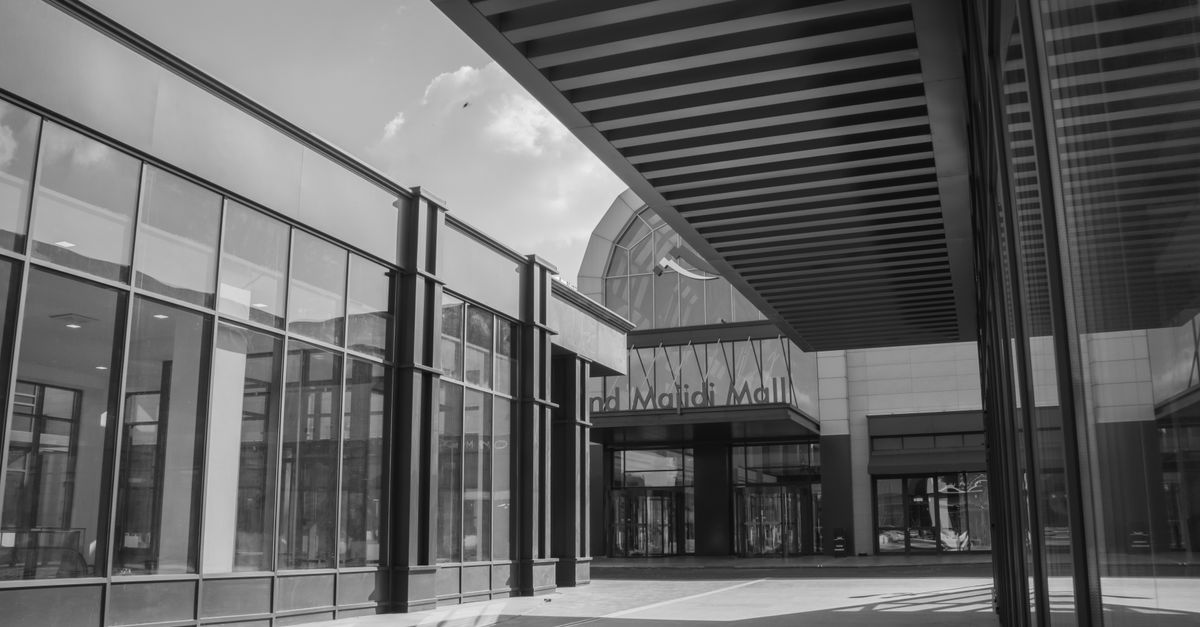
I recently finalized a contract with a regional mall plagued by theft, vandalism, and night‑time incidents. The owners sought to replace their fragmented alarms and part‑time guards with an integrated 24/7 security services solution that would deliver measurable results. This case study details the challenges, actions, and outcomes for a facility requiring both security consulting services and robust professional security solutions.
Key takeaway: The most effective continuous protection is achieved by combining technology, trained personnel, and data‑driven monitoring—no single component can replace the others.Understanding the Need for Continuous Protection
Management cited an average of 12 night‑time incidents monthly—shoplifting, vandalism, and a sharp rise after opening a new cinema. Intermittent patrols and static cameras proved inadequate; real‑time response became essential.
How Late‑Night Dynamics Influence Incident Rates
Late nights bring lower lighting, fewer staff, and high‑value merchandise left unattended. After the cinema opened, evening foot traffic doubled, expanding the pool of potential offenders and allowing shoplifters to blend into crowds. Dense shopper flow combined with limited guard visibility heightened opportunistic crime risk.
Risk Factors That Demand 24/7 Coverage
- Anchor tenants operating extended hours
- High evening and weekend foot traffic
- Valuable merchandise on display
- Limited security staff because of cost constraints
- No integrated incident‑reporting across vendors
- Poor exterior lighting near entrances
- Inconsistent alarm activation by tenants
- Insufficient guard training on surveillance tools
A mall’s security posture strongly influences shoppers’ sense of safety; a visible presence and quick response deters offenders.
Choosing the Right Security Consulting Services
First, we evaluated security consulting services capable of assessing the current infrastructure, recommending upgrades, and designing a comprehensive plan. Preference was given to firms experienced in both industrial security services and retail settings.
Their background in industrial settings provided insights into high‑volume asset protection that translated well to retail.
Vendor Evaluation Process
We issued an RFP detailing integration, scalability, and ROI expectations, requesting case studies, client references, and staffing breakdowns.
Evaluation Criteria for Consulting Partners
- Proven 24/7 security services experience in malls and industry
- Seamless integration of CCTV, access control, and alarms
- Analytics dashboards for incident tracking
- Staffing scalability aligned with peak traffic
- Transparent pricing with clear ROI metrics
- Compliance with safety regulations and privacy laws
- Training experience for existing personnel
We chose a firm proposing a phased rollout with an initial audit, tech upgrade recommendations, and a detailed cost‑benefit analysis.
Vendor Onboarding and Contract Negotiation
Negotiating the Service Level Agreement (SLA) ensured consistent performance. Critical SLA terms set a 90‑second maximum response to alarms, weekly reports, quarterly audits, and included free ongoing training and maintenance.
Implementing Professional Security Solutions
Implementation deployed modern surveillance, access control, and incident‑response tools throughout the mall’s 200,000 sq ft, creating a seamless ecosystem monitored centrally.
Technology Architecture Overview
The architecture paired edge devices—cameras and sensors—with cloud analytics and an on‑premise latency‑critical server. Data encryption met GDPR and local privacy standards, and redundancy prevented any single point of failure from crippling the system.
Key Steps in Deployment
- Site survey: Mapped sightlines, power points, and obstructions to optimize camera placement.
- Equipment procurement: Chose HD IP cameras with 360° coverage, low-light sensors, and vandal-resistant housings.
- Installation: Mounted cameras on poles, ceilings, and kiosks; installed access readers at tenant entries.
- Integration: Unified motion, glass‑break, and door contacts into the central alarm system.
- Testing: Verified live feeds, checked latency, and tested failover across redundant paths.
- Training: Conducted workshops on camera use, escalation protocols, and mobile alerts.
- Go‑live: Shifted to full operation with real-time dashboards and automated law‑enforcement ticketing.
Throughout rollout, coordination with vendors minimized shopper disruption, while the system delivered real‑time mobile alerts to staff.
Mobile Alert Workflow
A triggered motion sensor pushes an alert with geolocation and a live video clip to each guard’s phone, allowing quick assessment before dispatch. Response times fell from five minutes to under one minute.
During the first month, an alert triggered by a motion sensor near the food court led to a swift intervention that prevented a shoplifting attempt. The guard used the live video feed on his phone to identify the suspect and coordinate with local police within 45 seconds, illustrating the system’s real‑world effectiveness.
Staff Training and Change Management
Technology effectiveness depends on skilled staff, so we designed a training curriculum covering:
- Device familiarization: Reading feeds, adjusting focus, troubleshooting connectivity.
- Escalation protocols: Guidelines for engaging staff versus calling law enforcement.
- Privacy practices: Compliance with footage storage and access laws.
- Simulation drills: Live scenarios testing response times and communication.
Training was delivered in modular sessions to accommodate shift schedules. Post‑training assessments confirmed a 95% proficiency rate among guards before the system went live.
Refresher sessions are scheduled quarterly to keep staff updated on new features and protocols.
Measuring ROI and Performance Metrics
Six months after launch, we compared performance to pre‑implementation baselines, focusing on incident frequency, response time, and cost efficiency.
Primary KPIs Tracked
- Theft incidents: target 40% reduction
- Alarm response time: target <2 min
- Cost per avoided incident (merchandise savings)
- Tenant satisfaction with security (survey)
- Security staff operating cost vs. prior model
- Cameras and access control uptime (%)
- False alarms resolved within 30 s
The results were compelling:
- Incidents dropped from 12 to 7 per month—a 42% reduction.
- Average response time fell from 5 minutes to under 1 minute.
- Total security expenses rose by only 8%, offset by a $350,000 annual saving in merchandise loss.
- Tenant satisfaction climbed from 70% to 92% after rollout.
Clear data helps stakeholders justify investment and sustain momentum for upgrades. Merchandise loss averaged $7,500 per theft pre‑implementation and dropped to $4,000 post‑implementation, further illustrating financial impact.
Data Collection Methodology
Incident logs fed automatically into a secure analytics platform, generating monthly trend reports on peak theft times and sensor reliability. The granularity enabled fine‑tuning of patrol routes and camera adjustments for blind spots. Heat maps of incident hotspots were shared with store managers during monthly briefings.
Ongoing Maintenance and Continuous Improvement
Regular maintenance is essential, so we set a schedule covering:
- Firmware updates: Quarterly patches for cameras, sensors, and access control devices.
- Hardware inspections: Monthly checks of mounts, power supplies, and backup batteries.
- System audits: Semi‑annual alarm log reviews to spot misuse or malfunctions.
- Feedback loops: Quarterly tenant surveys to refine service parameters.
We configured OTA updates that pushed firmware patches automatically at night to minimize downtime. A rapid‑response protocol capped downtime at under 15 minutes per incident, keeping uptime above 99.8% since launch.
Lessons Learned & Common Pitfalls
The project yielded key lessons for future initiatives.
Common Mistakes to Avoid
- Underestimating training: Advanced tech fails without operator familiarity; our training proved vital for adoption.
- Ignoring integration gaps: Separate data models delay or duplicate alerts.
- Unrealistic KPIs: Baseline metrics are essential to gauge real improvement.
- No downtime contingency: Backup generators and redundant paths prevented outages during peaks.
- Skipping tenant feedback: Early engagement surfaced privacy concerns and guided camera placement.
Early mitigation cuts costs, boosts adoption, and speeds ROI; vendor involvement fosters buy‑in and uncovers practical concerns. Maintaining open lines of communication with vendors ensured rapid resolution of integration issues during the rollout.
Conclusion
The mall’s shift to an integrated 24/7 security services model shows how strategic planning, tech integration, and continuous monitoring yield tangible benefits. Leveraging security consulting services, modern surveillance, and clear KPIs produced a 40% incident drop and boosted tenant confidence—all while keeping costs modest.
Treating security as an ongoing partnership—not a one‑time install—lets retailers build safer environments that draw customers and safeguard assets. Future efforts should focus on staff readiness, system flexibility, and data transparency to replicate this success elsewhere. By sustaining this integrated approach, the mall can continue to adapt to evolving threats and maintain its competitive edge.
What metrics do you prioritize when evaluating continuous security solutions for retail or industrial sites?


