
How can I create a comprehensive event security plan covering construction sites, crowd control, and cybersecurity?
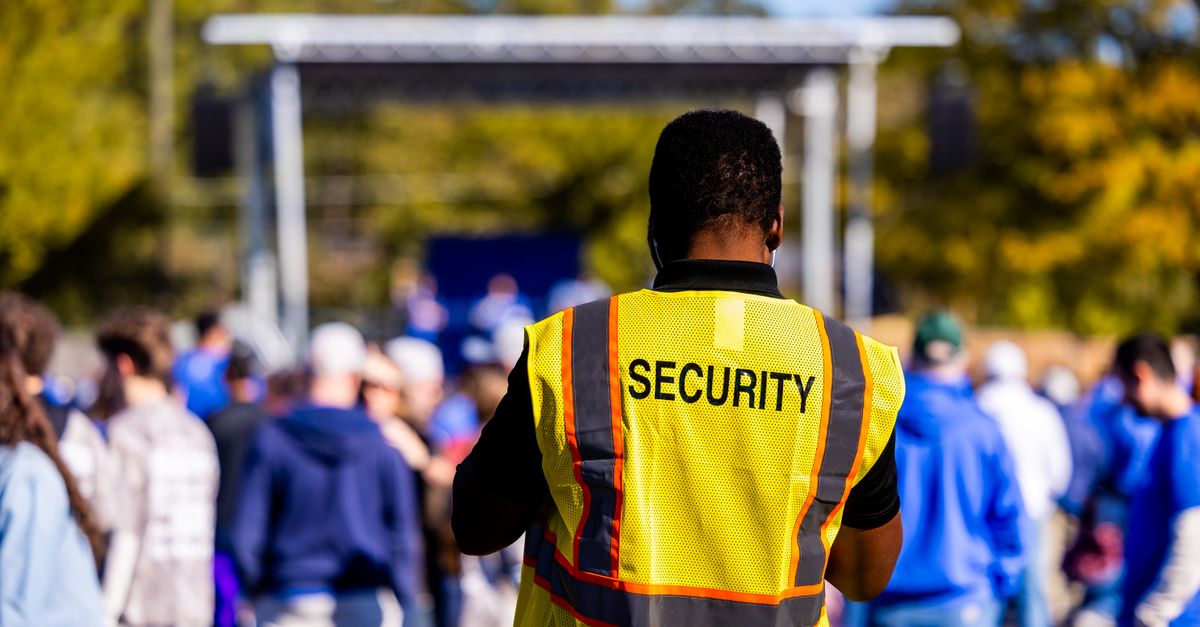
When an organization plans an event—whether a concert, corporate gathering, or large public exhibition—it faces a complex web of risks. Physical threats on the venue floor, unauthorized access to construction zones, and emerging cyber vulnerabilities all demand integrated mitigation. In this roundtable I lay out a practical framework that blends proven physical security tactics with cybersecurity consulting and 24/7 service options, so you can protect assets, people, and data without over‑engineering or overspending.
1. Foundations of Event Security Planning
Effective planning starts with a risk inventory: identify every asset—people, property, information—and the threats that could impact them. I always begin by mapping the event flow: entry points, high‑traffic zones, and sensitive areas such as control rooms or construction sites adjacent to the venue.
Engage key stakeholders—venue managers, event planners, IT leads, and local authorities—in the initial scoping phase. Their input surfaces unique constraints such as building codes, public transit schedules, or vendor‑specific equipment that might alter risk profiles. Setting a clear risk appetite threshold also helps prioritize resources; for instance, accepting a 0.01% chance of a major security breach may justify allocating additional budget to high‑end perimeter fencing.
The first step is to create a detailed site diagram using GIS or simple CAD tools. Mark all fixed assets (sound systems, lighting rigs, staging), temporary installations (tents, stages), and access routes for staff, vendors, and emergency services. Overlay this with threat vectors: potential trespass points, environmental hazards, and known cyber attack surfaces.
Modern GIS platforms allow overlaying layers such as utility lines, drainage systems, and historical incident hotspots. If GIS access is limited, even a hand‑drawn CAD sheet scanned into a digital format can provide sufficient granularity for most medium‑scale events.
Once you have the map, develop layered controls. Physical layers include perimeter fencing, access badges, CCTV, and trained security staff. Digital layers cover network segmentation, intrusion detection systems (IDS), secure communication channels for incident reporting, and a dedicated event‑specific firewall rule set.
Layering also extends to personnel: define clear roles for security officers, emergency medical responders, and event staff so that each layer has defined responsibilities during normal operations and in an incident scenario.
Key Components of a Robust Security Plan
- Perimeter control & visitor screening
- CCTV coverage with real‑time monitoring
- Access management via badges or biometrics
- Incident response playbooks (physical + cyber)
- Staff training and role assignments
- Vendor and contractor vetting protocols
- Communication infrastructure (two‑way radios, secure messaging)
- Post‑event debrief & lessons learned documentation
- Emergency communication protocols
This checklist serves as a baseline; tailor each item to the event’s size, location, and threat profile. For example, a 5,000‑person festival in an open field will require different crowd density limits than a corporate conference held inside a high‑rise hotel.
2. Construction Site Security: Protecting Work Zones Near Events
Construction sites adjacent to events are high‑risk zones for trespassing, equipment theft, and accidental injuries. The first step is clear demarcation—use sturdy fencing, warning signs, and physical barriers that can withstand weather and vandalism.
The fence should be at least 3–4 meters tall with a welded mesh or barbed wire top to deter climbing. Incorporate anti‑climb paint on vertical surfaces and place reflective markers for nighttime visibility. Signage must state “Construction Zone – Authorized Personnel Only” in both local language and English, using the International Symbol of Danger.
Integrate motion‑sensing LED panels at gate entrances; when triggered by unauthorized movement, they flash a red warning and alert the on‑site guard via a dedicated radio channel. This real‑time cue reduces reaction time from minutes to seconds.
In my experience, I’ve seen sites where a single unsecured gate allowed access to heavy machinery operators who were not authorized for the event venue. This caused a chain of incidents that could have been avoided with stricter perimeter checks.
Employ guard patrols and real‑time monitoring via drones or fixed cameras. Coordinate with local law enforcement on incident escalation protocols, especially if hazardous materials are present. Finally, schedule regular site inspections during event downtime to verify that barriers remain intact and that access logs match authorized entries.
Key takeaway: Secure construction zones with physical barriers, active patrols, and clear communication channels between security teams and contractors.3. Crowd Control Strategies for Large Events
Crowd control is the linchpin of event safety. Start by defining crowd density thresholds—how many people per square meter can safely occupy a space without risking crush or panic. Use signage, floor markings, and barriers to guide flow.
Calculate capacity using the formula: Area (m²) ÷ Density (persons/m²). For example, an open pavilion of 1,000 m² with a recommended density of 0.5 persons/m² yields a maximum safe occupancy of 2,000 attendees.
Deploy a tiered staffing model: front‑line security monitors entry points; mid‑level officers patrol interior zones; backup teams are ready for emergencies. Equip staff with crowd‑management tools such as LED signs that can direct movement during peak times and handheld radios with pre‑set emergency tones.
Effective Crowd Control Tactics
- Dynamic signage and real‑time updates via mobile apps
- Segmentation of high‑density zones with controlled access points
- Emergency evacuation drills conducted before the event
- Use of crowd‑sensing technology (thermal cameras, pressure sensors)
- Rapid incident response teams for medical or security emergencies
- Post‑incident reporting system integrated with cyber incident logs
- Training on de‑escalation techniques for staff and volunteers
- Real‑time crowd density analytics from wearable sensors
Incorporate a “buffer zone” at each exit—an area where attendees can wait before dispersing, reducing bottlenecks. Use color‑coded pathways (green for safe routes, red for restricted areas) to aid visual navigation in low‑visibility conditions.
For example, allocate 10 m² per person in a buffer area so that if an exit is suddenly blocked, attendees can disperse without creating additional crush pressure. This measurement aligns with the recommendations of many fire‑code authorities worldwide.
Remember that crowd psychology can change quickly. A calm, well‑communicated environment reduces the likelihood of panic, which is often the root cause of injuries. Regular briefings with event staff and volunteers help reinforce procedures and keep morale high during peak periods.
4. Cybersecurity Consulting & 24/7 Security Services Integration
Modern events rely on digital infrastructure—ticketing platforms, Wi‑Fi networks, and streaming services—all potential attack vectors. Partner with a cybersecurity consulting firm to conduct penetration tests, vulnerability assessments, and threat modeling specific to the event’s tech stack.
The consulting engagement typically follows these stages:
- Reconnaissance & Asset Discovery: Identify all networked devices (POS terminals, streaming encoders, mobile hotspots).
- Vulnerability Scanning: Automated tools scan for weak passwords, outdated firmware, and open ports.
- Manual Penetration Testing: Ethical hackers attempt to exploit identified weaknesses in a controlled environment.
- Threat Modeling & Risk Assessment: Map potential attack paths and assign risk scores based on likelihood and impact.
- Remediation Guidance: Provide prioritized fixes, configuration changes, and best‑practice recommendations.
During threat modeling, tools such as STRIDE or the MITRE ATT&CK framework help map potential adversary tactics to your specific assets, ensuring that no vulnerable entry point is overlooked.
Integrate 24/7 security monitoring: combine physical surveillance feeds with network logs in a single dashboard. This unified view allows rapid detection of both physical breaches (e.g., unauthorized entry) and cyber incidents (e.g., data exfiltration attempts). Assign clear escalation paths: a physical breach triggers the on‑site response team; a cyber alert routes to the IT incident commander.
This unified command center also facilitates compliance reporting. By correlating physical incidents with cyber logs, you can generate audit trails required for regulators such as PCI‑DSS or GDPR.
In my experience, the most successful events had an integrated command center that could shift focus from a CCTV alarm to a firewall alert without losing situational awareness. That level of coordination saved time and prevented cascading failures.
Choosing the Right 24/7 Security Service Provider
When vetting providers, assess their technical capabilities (video analytics, AI threat detection), response times, and compliance with industry standards such as ISO 27001 or NIST Cybersecurity Framework. Also evaluate their staffing model—do they have on‑site guards, remote analysts, or a hybrid approach?
A proven provider will offer:
- Real‑time video analytics that can flag loitering, unattended bags, or suspicious behavior.
- AI‑driven anomaly detection on network traffic to spot unusual data flows.
- Access to a dedicated Command & Control Center with 24/7 monitoring staff and incident response protocols.
- Clear Service Level Agreements (SLAs) covering detection, notification, and resolution times.
Additionally, verify that the provider’s analysts have certifications like CISSP or CEH; this demonstrates a baseline of expertise in both security domains.
Budget considerations: high‑end services come with premium rates but also advanced technology like drone surveillance and predictive analytics. For smaller events, a modular solution—basic CCTV plus outsourced cyber monitoring—can offer sufficient coverage at lower cost. A cost‑benefit analysis should weigh potential losses from incidents against the upfront investment in security.
Conclusion
Building an event security plan that spans construction site protection, crowd control, cybersecurity consulting, and 24/7 services requires disciplined planning, layered controls, and clear communication. By mapping risks, setting thresholds, and integrating physical and digital oversight, you can create a resilient framework that protects people, property, and data.
Beyond the technical measures, fostering a culture of vigilance among staff, volunteers, and contractors is essential. Regular tabletop exercises, incident drills, and debrief sessions help embed security awareness into everyday operations. When each team member understands their role in both the physical and cyber domains, the organization gains a unified front against evolving threats.
If you implement these layers systematically—starting with a solid risk inventory, reinforcing physical barriers at construction sites, orchestrating crowd flow with real‑time tools, and embedding cyber defenses into the same command structure—you’ll create a holistic shield that adapts to evolving threats while keeping operational costs under control.
What specific challenges have you encountered when aligning physical security with cyber defenses during large events?


