
How can businesses integrate security systems across retail, construction, and neighborhood patrol services?
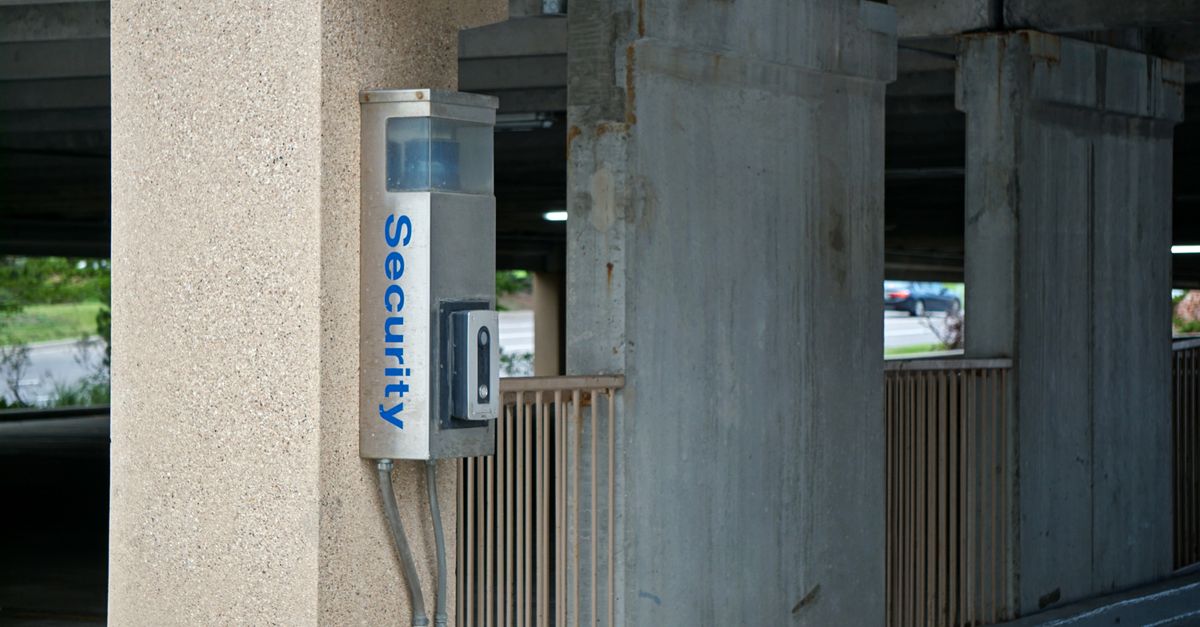
I’ve spent the last decade building and scaling security solutions that blend physical protection with cyber resilience. In 2026, companies in retail, construction, and community safety face a common challenge: disparate systems that don’t talk to each other. My goal here is to lay out a practical framework for unifying these layers so you can reduce cost, improve response times, and keep stakeholders satisfied.
1. Understanding the Integration Landscape
The first step is mapping out what each business sector actually needs from security. Retail requires real‑time surveillance, inventory monitoring, and POS protection. Construction sites demand perimeter control, equipment tracking, and worker safety alerts. Neighborhood patrols focus on community presence, incident reporting, and data sharing with local law enforcement.
When you overlay these requirements, you notice three core pillars: physical access control, video analytics, and data connectivity. A well‑architected integration platform should provide a single dashboard that aggregates alerts from all three sectors.
Key components for an integrated system
- Unified Identity & Access Management (IAM) across sites
- Centralized video management with AI analytics
- Edge computing nodes for low‑latency responses
- Secure APIs for data exchange between departments
- Compliance modules for GDPR, CCPA, and local regulations
- Automated incident escalation workflows
In my experience, the biggest hurdle is legacy hardware that refuses to speak modern protocols. The solution? Deploy a middleware layer that translates proprietary signals into open standards like ONVIF or MQTT.
Defining Use Cases and Mapping Data Flows
Before any technology decisions are made, conduct workshops with each stakeholder group—store managers, site supervisors, patrol coordinators—to capture pain points and desired outcomes. From these sessions, derive high‑level use cases such as:
- Alerting a retail manager when an item is removed from the shelf without a corresponding POS transaction.
- Triggering a construction safety alarm if a worker enters a restricted zone during a scheduled crane operation.
- Sending a real‑time incident report to local police when a patrol officer records a burglary in progress.
Once use cases are documented, map the data flow for each scenario: sensor → edge node → middleware → central platform → stakeholders. This mapping clarifies where latency is acceptable, where encryption must be enforced, and which devices can handle local processing versus needing cloud resources.
Integration Patterns to Consider
The architecture you choose should support both point‑to‑point connections for critical alerts and a bus‑based approach for bulk telemetry. Microservices or serverless functions are ideal for scaling video analytics, while a dedicated message broker (e.g., Apache Kafka) can handle high‑volume sensor streams without bottlenecks.
2. Retail Security Integration Strategies
Retail environments generate massive volumes of video and sensor data. Integrating this data with your broader security stack allows for predictive analytics—predicting shoplifting hotspots before they happen. It also enables cross‑reference with POS anomalies to flag potential fraud.
Key retail challenges include high foot traffic, diverse product lines, and a need for real‑time inventory checks. An integrated system must provide granular access controls per department (e.g., backroom vs. front of house) while maintaining a single point of visibility for security staff.
Practical steps for retail integration
- Select cameras with built‑in object detection and license plate recognition.
- Implement RFID tags on high‑value items linked to the central database.
- Configure automated alerts that trigger when an item’s status changes without corresponding POS activity.
- Integrate with your ERP to sync inventory data in real time.
- Deploy a mobile app for floor managers to receive push notifications.
This approach reduces false positives and frees security personnel to focus on high‑risk incidents rather than manual monitoring.
Leveraging AI for Theft Prevention
Modern analytics platforms can now detect unusual customer behavior—such as lingering near expensive displays or carrying multiple bags—within seconds. By correlating these patterns with historical theft data, you can generate heat maps that inform store layout changes and targeted patrol schedules.
Integrating Loyalty Programs for Contextual Alerts
When a loyalty card is scanned at the point of sale, attach that customer’s profile to the video feed. If a flagged individual later appears in a high‑risk zone, the system can automatically alert staff and provide context on whether the person has a history of suspicious activity.
3. Construction Site Security Integration Strategies
Construction sites are dynamic, with equipment moving daily and workers entering and exiting at irregular intervals. An integrated system must handle equipment tracking, worker safety monitoring, and site perimeter surveillance.
Physical access control is often limited to a single gate, but integrating it with IoT sensors—like vibration detectors on cranes or gas leak monitors—creates a comprehensive risk profile.
Construction integration checklist
- Install RFID tags on all heavy machinery and link them to the central database.
- Use wearable GPS trackers for workers to monitor location and enforce safety zones.
- Set up motion sensors at perimeter gates with automatic lockout when unauthorized movement is detected.
- Integrate weather APIs to adjust site lighting and alerts during adverse conditions.
- Enable real‑time dashboards accessible via ruggedized tablets on the job site.
By tying equipment status, worker location, and environmental data together, you can preemptively address hazards before they turn into incidents.
Integrating Safety Protocols with Site Management Software
Many contractors use project management platforms like Procore or Buildertrend to track tasks, permits, and compliance. By exposing a secure API, the security system can push incident data directly into these tools, ensuring that safety reports are automatically logged alongside construction milestones.
Drone Surveillance for Hard‑to‑Reach Areas
Deploying autonomous drones equipped with infrared cameras allows continuous monitoring of high‑risk zones—such as scaffoldings or elevated walkways—without exposing personnel to danger. The drone’s feed can be fed into the central analytics engine, providing an additional layer of situational awareness.
4. Neighborhood Patrol Service Integration Strategies
Neighborhood patrols serve as the first line of community defense. Their effectiveness hinges on timely information sharing with residents, local police, and emergency services. An integrated system should offer a mobile platform for patrol officers to log incidents, upload photos, and access real‑time feeds from neighborhood cameras.
Another critical factor is data privacy. Residents expect transparency but also protection of their personal information. Building trust requires clear consent mechanisms and anonymized reporting where possible.
Neighborhood patrol integration roadmap
- Deploy a mobile app that allows officers to record incidents with geotagging.
- Integrate community cameras into the central platform, ensuring all feeds are timestamped.
- Create an automated escalation protocol that alerts local police within minutes of a high‑severity event.
- Implement opt‑in data sharing agreements for residents wishing to receive updates.
- Use dashboards to provide neighborhood councils with aggregated crime statistics.
This structure gives patrol teams the tools they need while keeping residents informed and engaged.
Enhancing Community Trust Through Transparency
Publish anonymized incident heat maps on a community portal, allowing residents to see where issues are most prevalent without exposing individual identities. Offer opt‑out settings that let households decide whether their camera footage is shared with patrol officers or stored in the central archive.
Integrating Citizen Reporting Apps
Many neighborhoods now use platforms like Nextdoor or local WhatsApp groups to report suspicious activity. By integrating these channels into the central platform, you can automatically trigger patrol routes or send notifications to residents who have opted in for real‑time alerts.
5. Cybersecurity Consulting as a Bridge
A physical security system is only as strong as its cyber defenses. In 2026, attackers target the integration layer itself—API endpoints, cloud services, or even the middleware that translates legacy hardware signals. A robust cybersecurity strategy must address authentication, encryption, and continuous monitoring.
Consulting firms can help audit your architecture, identify blind spots, and implement best practices such as zero‑trust networking and micro‑segmentation. They also assist in compliance with industry standards like ISO 27001 or NIST Cybersecurity Framework.
Cybersecurity checklist for integrated systems
- Implement multi‑factor authentication (MFA) for all administrative access.
- Encrypt data at rest and in transit using TLS 1.3 and AES‑256.
- Deploy intrusion detection systems (IDS) that monitor network traffic for anomalies.
- Conduct regular penetration testing on API endpoints.
- Use role‑based access controls (RBAC) to limit permissions by job function.
- Maintain an incident response playbook specific to integration failures.
In my experience, the most effective security posture is one that treats physical and digital layers as inseparable components of a single ecosystem. When you integrate them thoughtfully, you reduce attack surface and improve operational resilience.
Zero‑Trust Architecture Implementation
Adopting zero‑trust means each request—whether from a camera, a worker’s wearable, or a patrol officer’s tablet—is authenticated, authorized, and encrypted before it is allowed to traverse the network. Micro‑segmentation confines lateral movement: if an attacker compromises one device, they cannot automatically access other critical systems such as the ERP or police dispatch interface.
Continuous Monitoring and Automated Remediation
Deploy a Security Information and Event Management (SIEM) solution that aggregates logs from cameras, gateways, and cloud services. Configure automated playbooks: if an unauthorized API call is detected, the system can quarantine the offending device and alert the security operations center within seconds.
6. Measuring Success & Continuous Improvement
A unified system’s value isn’t just in implementation—it's also in quantifiable outcomes. Track key performance indicators (KPIs) across all sectors to understand ROI and guide future enhancements.
- Mean Time To Detect (MTTD): A reduction from minutes to seconds indicates effective analytics and alerting.
- False Positive Rate: Lower rates free up personnel for real threats; aim for below 5% in high‑traffic retail zones.
- Equipment Loss Reduction: RFID tracking can cut tool theft by 30–40 % on construction sites.
- Response Time to Patrol Incidents: A dashboard that shows average dispatch times; target a 15 % improvement over baseline.
- Compliance Score: Regular audits against GDPR, ISO 27001, or local mandates ensure the system remains legally robust.
Use these metrics to conduct quarterly reviews. If MTTD spikes, investigate whether firmware updates on cameras are pending or if network congestion is affecting edge nodes. Continuous improvement loops keep integration fresh and aligned with evolving threats.
Key takeaway: Unified security systems are built on three pillars—access control, video analytics, and data connectivity—and require both physical hardware upgrades and cyber safeguards to function effectively across retail, construction, and neighborhood patrol domains.By following the steps outlined above, you can create a cohesive security architecture that scales with your business needs. The next challenge is execution: choose partners who understand both the technical requirements and the operational realities of each sector.
What integration challenges have you faced in unifying physical and cyber security across multiple business lines?


