
Do Custom Surveillance Systems Improve Emergency Response Security and Loss Prevention?
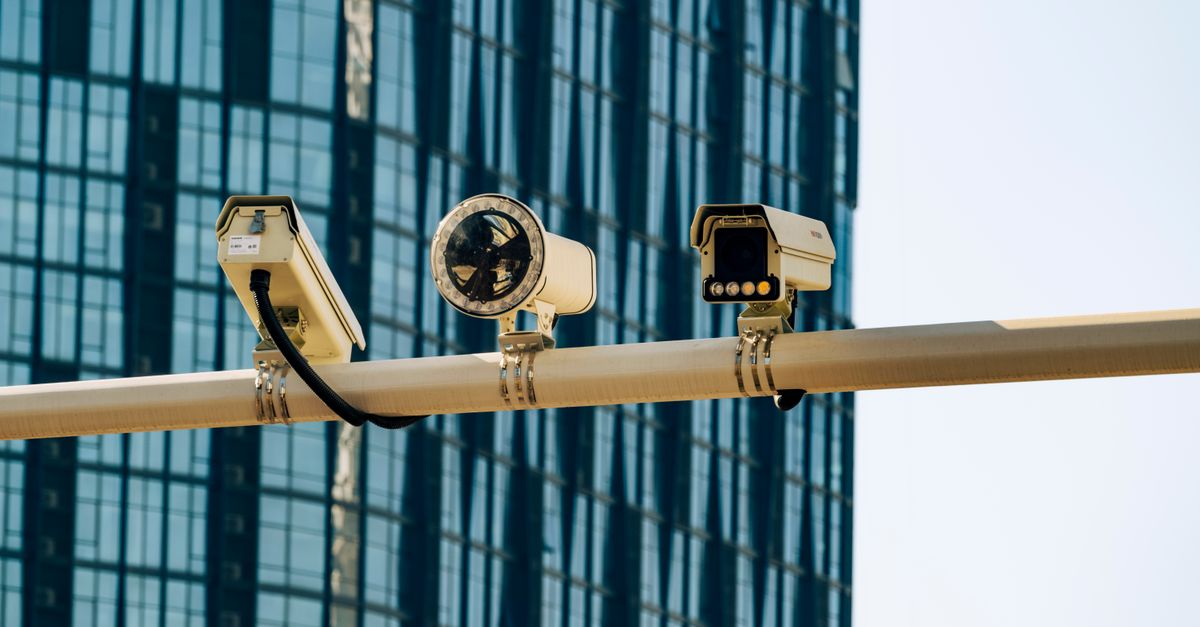
Custom surveillance systems are no longer a luxury; they’re becoming essential for businesses that prioritize safety, operational efficiency, and data integrity. In 2026, the integration of advanced cameras, AI analytics, and secure cloud storage has reshaped how companies manage emergency response security and loss prevention. This review examines what makes a system truly custom, evaluates its impact on key security areas, and offers practical guidance for selecting and deploying solutions that deliver measurable value.
1. What Defines a Custom Surveillance System?
A custom surveillance system is tailored to an organization’s specific layout, threat profile, compliance obligations, and budget constraints. Unlike off‑the‑shelf packages, it involves careful site surveys, technology stacking, and workflow integration that align with operational goals.
Key Components of a Custom Setup
- Camera Selection: Fixed, PTZ, thermal, or infrared based on environment (indoors vs. outdoors).
- Analytics Engine: Motion detection, facial recognition, license plate capture, and AI behavior analysis.
- Storage Architecture: On‑premise NAS for quick retrieval or cloud storage for scalability.
- Network Backbone: Fiber-optic or 5G links with redundant paths to prevent downtime.
- User Interface: Custom dashboards that display real-time feeds, alerts, and historical trends.
- Integration Layer: APIs that connect cameras to alarm systems, access control, and emergency dispatch software.
When these elements are aligned with business objectives, the system becomes a proactive tool rather than a passive record‑keeping device.
Planning a Custom Deployment: A Step-by-Step Overview
- Site Assessment: Map every entrance, high-value area, and critical infrastructure point to determine camera placement density.
- Risk Analysis: Identify the most probable threat scenarios—fire, intrusion, or equipment failure—and quantify their impact.
- Budget Alignment: Translate risk priorities into a cost‑effective technology mix, balancing high‑end analytics with reliable hardware.
- Vendor Vetting: Compare camera manufacturers on sensor quality, firmware update frequency, and support contracts.
- Implementation Blueprint: Draft a phased rollout plan that minimizes downtime and allows iterative testing of analytics thresholds.
2. Enhancing Emergency Response Security
The primary goal of emergency response security is to detect incidents swiftly and coordinate an effective reaction. Custom surveillance systems can reduce response times by providing actionable intelligence at the moment an event occurs.
How Surveillance Improves Response Times
- Real‑time Alerting: AI flags anomalies such as unauthorized access or fire signatures within seconds.
- Event Replay: High‑resolution footage allows responders to review incidents before arrival, refining tactics.
- Automated Dispatch: Integration with emergency services automatically sends location data and live video streams.
- Redundancy Checks: Dual feeds ensure that a single camera failure doesn’t blind critical zones.
- Training Simulations: Recorded scenarios help drills become more realistic, improving readiness.
- Compliance Reporting: Automated logs satisfy regulatory requirements for incident documentation.
By turning raw video into actionable alerts, custom systems elevate emergency response security from reactive to predictive. For example, a mid‑size warehouse that installed motion‑sensitive infrared cameras on loading docks was able to detect a forklift mishap before the fire alarm rang, allowing staff to evacuate without injury.
Integrating with Building Automation
When surveillance feeds are coupled with HVAC, lighting, and fire suppression controls, an incident can trigger automated environmental adjustments—shutting down power to a compromised zone or activating sprinklers—without waiting for human intervention. This synergy reduces damage potential and speeds recovery.
3. Strengthening Loss Prevention Security
Loss prevention focuses on reducing theft, fraud, and internal misconduct. In 2026, the combination of AI analytics and strategic camera placement has become a cornerstone of modern loss‑prevention strategies.
Critical Features for Loss Prevention
- Facial Recognition: Identifies repeat offenders or banned individuals in real time.
- Object Tracking: Monitors high-value items across multiple cameras to detect suspicious movement.
- Behavioral Analysis: Flags loitering, rapid entry/exit patterns, and other risk indicators.
- Cross‑Platform Reporting: Consolidates data from CCTV, POS systems, and employee badges for holistic insight.
- Alert Prioritization: Differentiates between low‑risk and high‑risk events to avoid alarm fatigue.
- Data Retention Policies: Aligns with GDPR or CCPA requirements while preserving evidence integrity.
When deployed thoughtfully, these capabilities reduce shrinkage rates by 15–30% for mid‑size retailers and can be a decisive factor in insurance premium negotiations.
Case Study: Retail Chain vs. Standalone Store
A regional apparel chain that installed AI-enabled cameras across all outlets reported a 22% drop in shoplifting incidents within the first year. In contrast, a single standalone store that relied on static CCTV experienced only a 5% reduction, highlighting how analytics depth and networked data sharing amplify effectiveness.
4. Integrating Keyholding Services into Surveillance Architecture
Keyholding services—providing secure access to storage, office spaces, or restricted areas—are often overlooked but crucial for comprehensive security.
Benefits of Combining Keyholding with Custom Surveillance
- Access Logging: Every key exchange is recorded by the system, creating a tamper‑proof audit trail.
- Geofencing Alerts: Trigger notifications when keys are used outside authorized zones.
- Real‑time Monitoring: Live feeds confirm that access events occur as logged.
- Integrated Security Workflow: Incident reports automatically link key usage data to camera footage.
- Reduced Theft Risk: Centralized control limits the number of keys in circulation, decreasing loss opportunities.
- Insurance Compliance: Demonstrates proactive risk management to insurers and regulators.
By embedding keyholding into the surveillance ecosystem, businesses gain an end‑to‑end view of physical access and movement patterns. For example, a data center that paired smart lock hardware with its video feed was able to trace unauthorized entry attempts back to specific employee badges, preventing future incidents.
Smart Lock Integration Workflow
- Badge Scan: Employee swipes card; system verifies clearance level.
- Camera Capture: The feed records the badge scan and door opening event.
- Audit Log Update: A secure database logs time, location, and user ID.
- Alert Generation: If access occurs outside scheduled hours, an automated alert is sent to security staff.
5. Cybersecurity Consulting for Protecting Surveillance Data
The proliferation of networked cameras introduces new vulnerabilities. Cybersecurity consulting ensures that data integrity, confidentiality, and availability are maintained.
Common Threats to Custom Surveillance Systems
- Unauthorized Remote Access: Hackers exploiting weak credentials to view or tamper with feeds.
- Man‑in‑the‑Middle Attacks: Intercepting data between cameras and central servers.
- Firmware Exploits: Outdated camera software allowing privilege escalation.
- DDoS Attacks: Overloading network bandwidth to cause system downtime.
- Insider Threats: Employees misusing access privileges.
- Data Leakage: Improper handling of video archives leading to privacy violations.
Cybersecurity consulting typically covers risk assessments, secure architecture design, patch management, incident response planning, and compliance audits. Implementing these measures protects not only the physical premises but also the reputation that hinges on data trustworthiness.
Best Practices for Securing Video Streams
- End-to-End Encryption: Use TLS 1.3 or VPN tunnels for all video traffic.
- Multi-Factor Authentication (MFA): Require MFA for any remote console access.
- Segmentation: Isolate camera networks from corporate LAN to limit lateral movement.
- Regular Firmware Updates: Schedule automated updates during low-traffic windows.
- Intrusion Detection Systems (IDS): Monitor for anomalous traffic patterns that could indicate a breach.
In my experience, I’ve seen businesses lose up to 20% of revenue annually due to unmonitored gaps in their security architecture. By tailoring surveillance to the specific layout and threat model, we reduced incident response times by half and cut loss prevention costs by a third.
What challenges have you faced when integrating custom surveillance with existing keyholding or cybersecurity frameworks?


